Short answer: A restaurant host is the first person guests meet. The host greets guests, manages reservations and the waitlist, seats parties so each server’s section gets a fair rotation, answers the phone and often handles to-go orders. A good host controls the pace of the dining room so the kitchen and servers are not overwhelmed.
The host sets the pace of the whole dining room.
Host duties by part of the shift
Before service
Review reservations and large parties.
Check the floor plan and server sections.
Stock menus, kids’ menus and to-go supplies.
During service
Greet every guest and give accurate wait times.
Seat parties in rotation to avoid double-seating one server.
Track open, seated and dirty tables with bussers.
Answer the phone, take reservations and hand off to-go orders.
After service
Clean and restock the host stand.
Note issues for the manager in the shift notes. See shift notes.
Skills a host needs
Friendly communication under pressure.
Organization and quick math for wait times.
Teamwork with servers, bussers and the kitchen.
Do hosts get tips?
Hosts often receive a share of tips through a tip pool or tip-out from servers. Under federal law, hosts can usually be included in a tip pool because they are customarily tipped front-of-house staff, but pool rules depend on whether the employer takes a tip credit. See tip pooling rules and the tip-out guide. This is general information, not legal advice.
Schedule your front of house
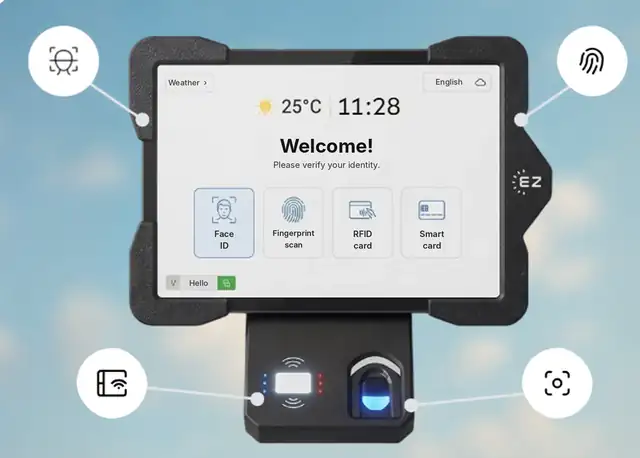
Hosts are scheduled around the rush. EZTime makes it easy to build host and server shifts, swap shifts and track hours for tip pools. More roles in restaurant job positions.
Frequently asked questions
What does a host do at a restaurant?
Greets guests, manages reservations and the waitlist, seats parties in rotation and answers the phone.
Do hosts get tips?
Often, through a tip pool or tip-out from servers.
What is a seating rotation?
Seating parties in each server’s section in turn so the workload stays fair.