How to Manage a Disgruntled Employee: Steps for Managers
Short answer: A disgruntled employee is someone who has become unhappy or resentful at work, often because of pay, schedules, workload or how they are treated. Address it early: meet privately, listen, separate facts from feelings, fix what is within your control, set clear expectations in writing and follow up. Document each step, and involve HR if behavior affects safety or other employees.
Listen first, then agree on next steps.
Signs of a disgruntled employee
A drop in quality or effort that was not there before.
Do not retaliate against employees for raising concerns about pay or working conditions; federal and state laws protect many of these complaints. This is general information, not legal advice.
Prevent the next one
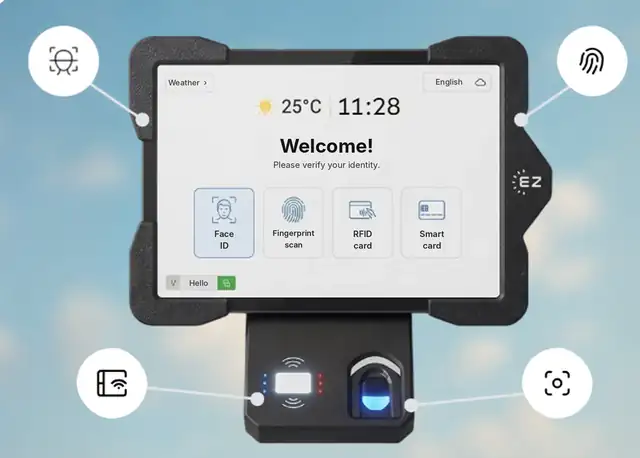
Many complaints in hourly teams start with schedules and hours. EZTime scheduling makes shifts visible and fair, the time clock records hours accurately, and team chat gives employees a direct channel to managers.
Frequently asked questions
What does disgruntled mean at work?
Unhappy or resentful, usually about pay, schedules, workload or treatment.
Should I fire a disgruntled employee?
Start by listening and fixing what you can. If conduct problems continue, follow your documented discipline process.
How do I document it?
Write down dates, what was discussed, what was agreed and the follow-up date.