
BD = business decline. When you see BD in the end-time column of a schedule, it means the shift ends when the restaurant gets slow, not at a clock time. It is common for servers, bartenders, bussers and line cooks on dinner shifts, where the last hour of service is hard to predict.
A typical schedule might read:
| Employee | Role | Shift | What it means |
|---|---|---|---|
| Server A | Server | 4:00 PM to 10:00 PM | Fixed end time |
| Server B | Server | 5:00 PM to BD | Works until covers drop, then is cut |
| Line cook | Grill | 3:00 PM to close | Stays until the kitchen is closed and clean |
BD is part of everyday restaurant lingo, like 86 for an item that has run out.
Restaurants that run BD shifts well publish a clear cut order so nobody feels singled out. Common approaches:
Write the rule down, post it with the schedule and apply it the same way every night.
| Term | End time | Typical use |
|---|---|---|
| BD (business decline) | When it slows | Dinner servers, bartenders, extra line cooks |
| Close / “to close” | After closing duties are done | Closers, dishwashers, closing manager |
| On call | May not work at all | Backup coverage for busy nights |
| Fixed shift | Set clock time | Lunch, prep, host stand |
Under the federal Fair Labor Standards Act, non-exempt employees are paid for all hours actually worked, so a BD shift is paid until the employee clocks out. Some states and cities add rules that can matter when you cut a shift short, such as reporting-time pay or predictive scheduling laws that require advance notice or extra pay for schedule changes. Check your state and local rules before you schedule open-ended shifts. Tipped employees still need to reach at least the minimum wage when tips and any tip credit are combined.
Outside restaurants, BD is used for other things, so context matters:
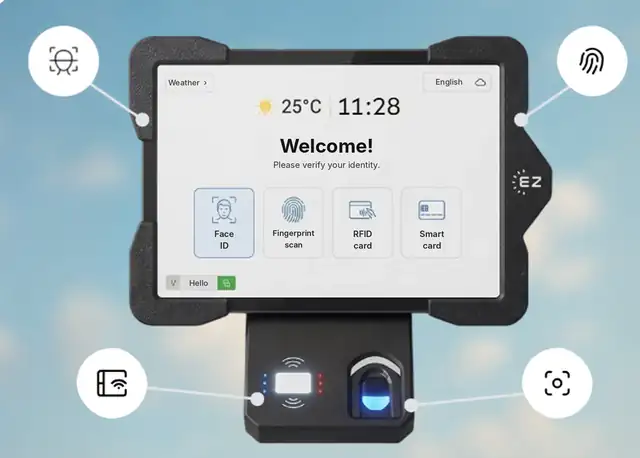
With EZTime scheduling you build shifts with an estimated end time so your labor forecast stays realistic, and the time clock records when each employee actually clocks out. Overtime and break alerts help you cut the right person at the right time.
Business decline. The shift has a start time but no fixed end time, and the employee goes home when business slows down.
Yes. Non-exempt employees are paid for all hours worked until they clock out. Some states and cities have extra rules for shifts cut short.
Most use a written cut order, such as first in first out, section-based or a weekly rotation, and avoid pushing anyone into overtime.
Schedule open-ended shifts without losing control of labor. Start your 14-day trial or book a demo.
Updated November 2026. General information only; not legal advice.